





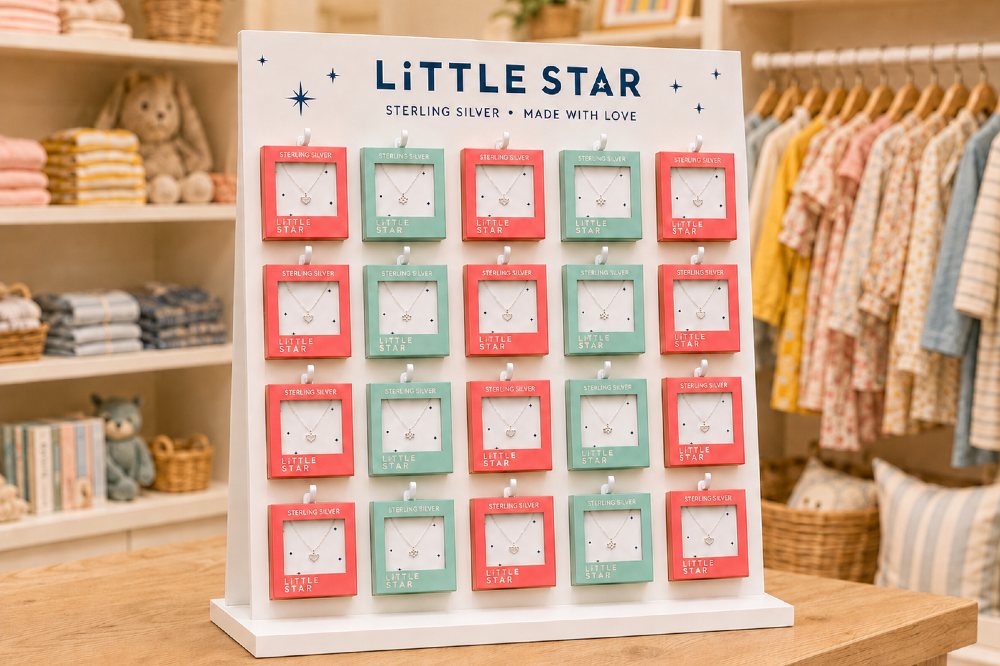
Children’s jewellery brand Little Star is looking beyond the traditional jewellery counter and towards the kids’ fashion market. Commercial director Rob Walker explains how the company’s new, more affordable Little Star Studio collection is opening the door to retailers of every size, including the smallest childrenswear boutiques.
For Little Star, the next stage of growth is not simply about securing more jewellery accounts. The brand is deliberately repositioning itself within the wider kids’ fashion landscape, building an offer that can sit naturally alongside clothing, footwear and accessories. Recent listings with John Lewis and Fenwick, both within children’s fashion rather than traditional jewellery, signal the brand’s future direction.
For commercial director Rob Walker, the move brings Little Star closer to the market he knows best. “It’s always been something in the back of my mind. Prior to Little Star, my background was 20 years in the fashion industry. While we started with a very clear aim to gain recognition for our quality within the jewellery industry, it was always with the intention of creating a concept that could cross the divide at some stage.”
That crossover began gathering pace when Little Star’s Core collection joined luxury childrenswear retailer Childrensalon in spring 2025. “We’ve been pushing in that direction since,” says Walker.
Now, the launch of the more affordable Little Star Studio range gives the company a second point of entry into the fashion channel, one designed to broaden both its customer base and its retail reach.
A more accessible offer
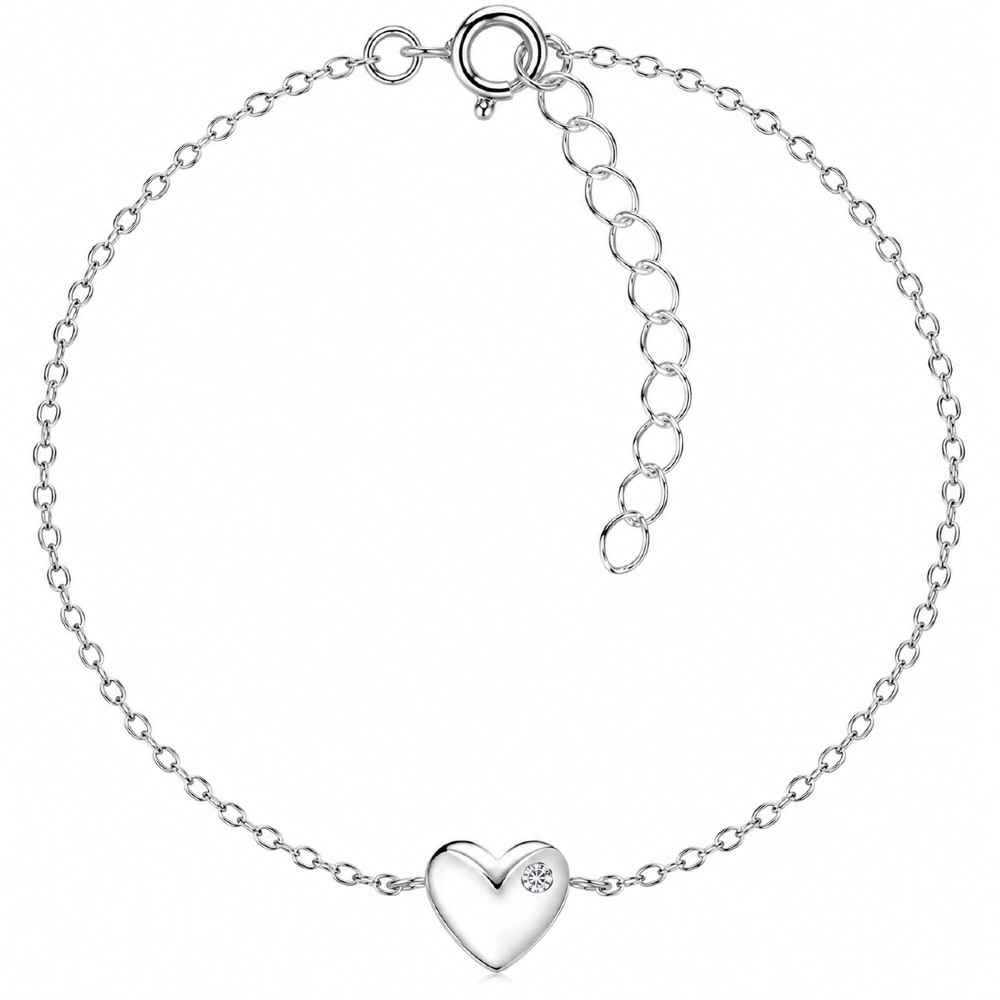
Little Star Studio was conceived in response to steep rises in the cost of silver, at a point when the brand had to protect the value and integrity of its established collection without pricing out part of its audience. “We were adamant that we would never compromise on the quality and weight of our Core range, but when your raw material goes up sixfold, you are going to end up alienating some of your customer base, and we needed a dual offer,” explains Walker.
The timing aligned neatly with Fenwick’s search for a new proposition, giving Studio its launch platform. Crucially, affordability has not meant moving away from precious materials. Although plated base metals have become more prevalent as silver prices have climbed, Little Star chose to keep the collection in sterling silver.
“We are a silver jewellery company and therefore decided to make Studio in sterling silver, so people are still getting something precious at a more competitive price,” says Walker.
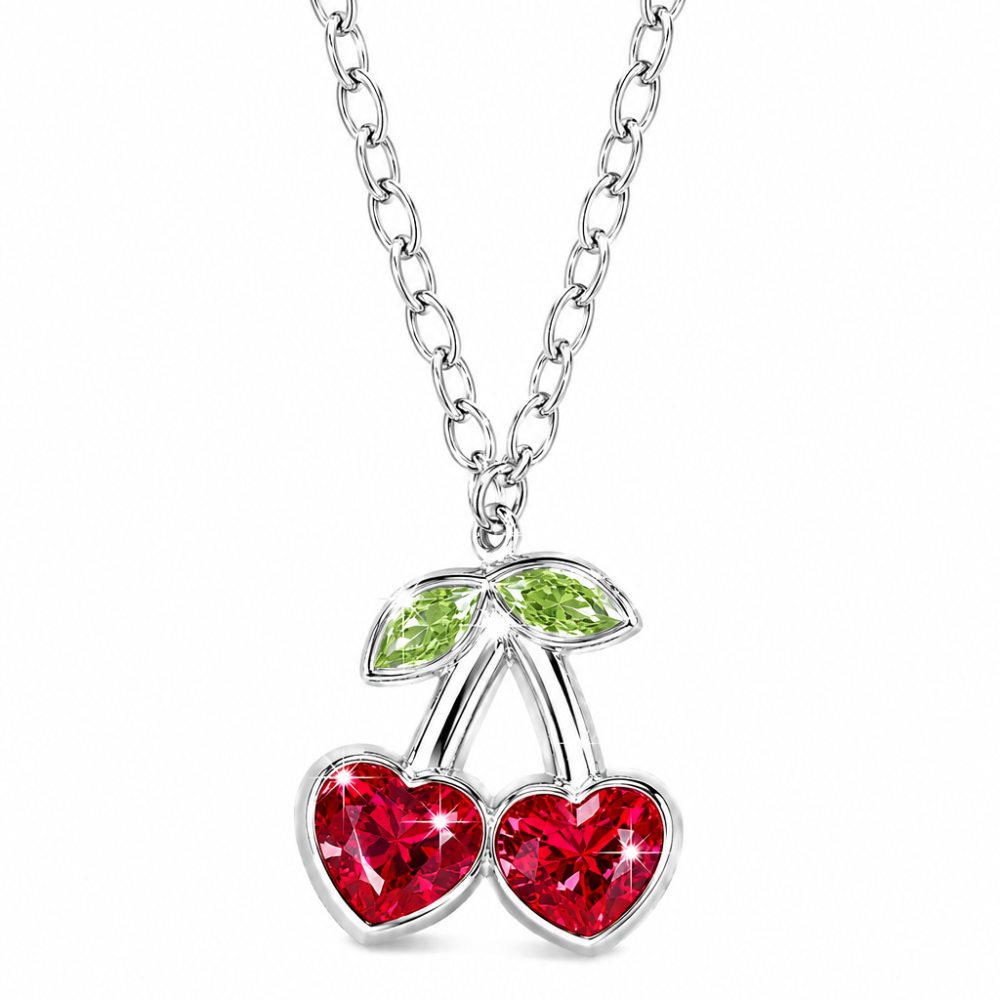
As with Core, the offer includes gold plating and stones, although cubic zirconia replaces the real diamonds used in the mainline collection. The result is a 46-piece range with a more playful, fashion-led feel, while retaining popular motifs such as hearts and stars.

Designed for a fashion-aware generation
The tween market sits at the heart of Studio’s positioning. “We have an ongoing joke in the office that these days eight-year-olds are like 20-year-olds,” says Walker. “They are much more aware, more switched on than ever before, and want to make their own choices.”
Little Star has spent time studying brands that connect successfully with this age group, resulting in a collection with a distinct handwriting from Core and greater freedom to experiment with colour.
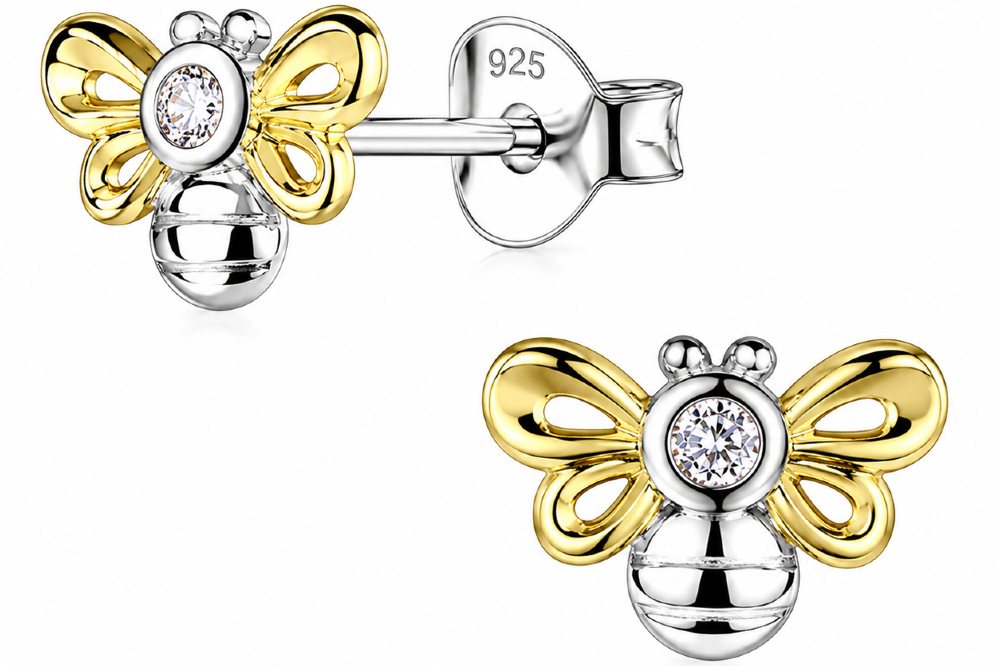
Early trading through John Lewis, which launched a curated Core selection in June, offers some useful pointers. Traditional gifting lines such as baby bangles and lockets have performed well, but earrings have also surprised on the upside. Walker sees a clear emotional purchase occasion. “From a gifting perspective, it’s a nice way to mark getting your ears pierced with a quality pair of earrings,” he adds. This bodes well for Studio, as earrings account for half of the collection.
Built for boutiques
For childrenswear independents, Studio lowers the barrier to introducing jewellery. It complements Little Star’s premium Core offer, which runs from heavyweight newborn pieces to heirloom designs with extender chains, alongside matching pieces for mums. Studio adds a more cost-effective, trend-responsive layer that can attract older children and support add-on sales without requiring a retailer to adopt a traditional jewellery-store model.
“With the introduction of Studio to supplement Core, I’d like to think we can cover any base that retailers considering dipping their toe into jewellery might want,” confirms Walker.
That breadth is matched by a practical approach to display. Little Star has always supplied stockists with presentation and packaging, but Studio prompted a self-serve boxed concept for Fenwick, in contrast to the under-glass environment common among jewellers. The brand can therefore support either assisted or self-service retailing. For small boutiques, the commercial details are equally important.
Little Star offers free engraving with next-day delivery on orders placed before 2pm and, aside from opening orders, has no minimum quantities. “If you need one item for a customer, that is fine; we are here to say yes,” confirms Walker. Direct access to Walker or his partner Vicky also gives independents the kind of hands-on product selection, merchandising and replenishment support that can make a new category easier to manage.
This tailored support is particularly valuable because jewellery gives childrenswear retailers a way to extend seasonal and occasion-led spend. Gifting has always been central to Little Star, from Christmas through to the christening peak between May and August. Weddings present another opportunity – pearl collections suit flower-girl dressing, while a growing boys’ offer can cater for page boys. In a boutique environment, these pieces can sit alongside occasionwear as a considered finishing touch rather than a separate destination purchase.
Ready to scale
Over the next 12-18 months, Little Star’s aim is to take this proposition further into children’s fashion. Recognising how much preparation is required to scale successfully, the brand has done the hard yards behind the scenes to create an offer that can translate across different retail environments, price points and customer ages.
While Studio’s initial launch is with Fenwick, its significance lies in its scalability. “It has been designed and made to work in the smallest boutique through to large multiples, and once we roll it out, we’d love to see it everywhere,” concludes Walker.
For childrenswear retailers seeking new gifting, occasion and add-on opportunities, Little Star’s move into fashion, backed by a more accessible collection and an independent-friendly service model, could make jewellery a small category with considerable potential.
For further information, please click here.